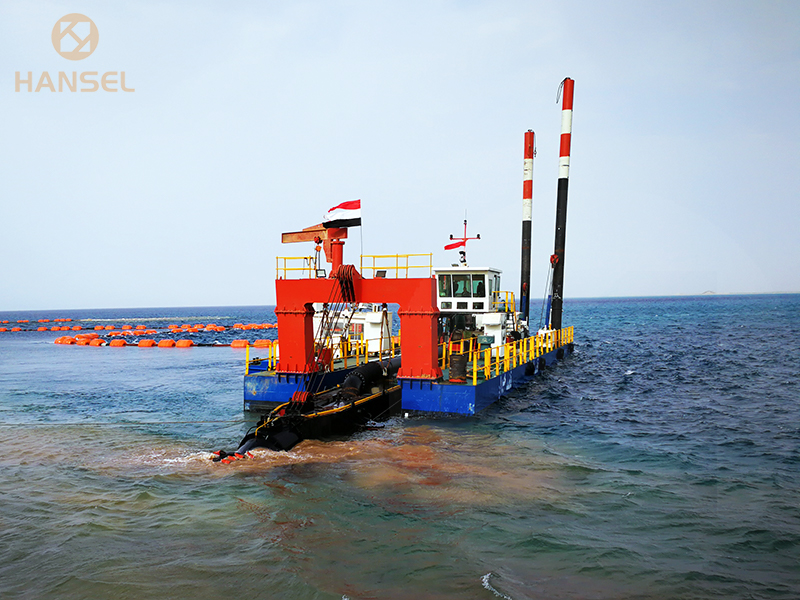
Hydraulic systems are widely used on cutter suction dredgers (CSDs) to drive various working mechanisms efficiently and reliably. However, in daily dredging operations, insufficient understanding of hydraulic system principles can often lead to human-related failures and unnecessary downtime.
For this reason, proper daily maintenance and monitoring of the hydraulic system are essential to ensure safe and stable operation.
The primary goal of hydraulic system maintenance is to closely monitor system performance, identify potential issues early, and eliminate risks before failures occur. Operators should fully understand the hydraulic system principles of the dredger or equipment before performing maintenance work.
Below are several key maintenance practices for hydraulic systems on cutter suction dredgers.

1. Maintain Proper Hydraulic Oil Level
Hydraulic systems on dredgers usually contain multiple pipelines and pumps with large oil capacity. After operation begins, hydraulic oil circulates throughout the system, causing the oil tank level to decrease.
If the oil level drops below the specified range, hydraulic oil should be replenished immediately. Since minor leakage may occur during normal operation, operators should regularly inspect the oil tank to ensure a stable oil level.
2. Use Qualified and Clean Hydraulic Oil
Hydraulic oil should comply with relevant standards and specifications. In most cases, 46# anti-wear hydraulic oil is recommended.
Hydraulic oil should be inspected and replaced regularly, typically every 6 to 12 months, depending on working conditions and operating hours.
Oil that has become oxidized, contaminated, or degraded must be replaced promptly. During oil replacement:
- Residual oil inside pipelines, valves, and hydraulic cylinders should be removed as completely as possible.
- Valve cores, filters, and filter screens should be cleaned thoroughly.
- Hydraulic oil must be filled through designated filling ports equipped with filter screens.
- Contaminants such as cotton fibers or debris must be prevented from entering the system during cleaning.
3. Control Hydraulic Oil Temperature
Hydraulic oil temperature should generally not exceed 60°C. The optimal operating temperature range is 35°C to 60°C.
Excessively high oil temperatures can accelerate oxidation and reduce oil performance, leading to premature wear of hydraulic components.
4. Prevent Air and Water Contamination
Air entering the hydraulic system may cause unstable movement, cavitation, and oil deterioration. Any trapped air should be completely removed from the system.
Water accumulated at the bottom of the oil tank should also be drained regularly to prevent contamination and corrosion.
5. Pre-Lubricate Hydraulic Pumps Before Initial Startup
Before starting a hydraulic pump for the first time, hydraulic oil should be added into the pump housing.
This helps:
- Ensure rapid oil discharge
- Prevent air intake
- Avoid dry friction and damage caused by dry running
6. Control Relief Valve Pressure Properly
The set pressure of the relief valve must never exceed the maximum allowable system pressure.
Improper pressure settings may result in severe equipment damage or safety accidents.
7. Operate Hydraulic Components Correctly
Operators should clearly understand:
- The adjustment direction of hydraulic control handles
- The relationship between pressure and flow settings
Incorrect adjustments can lead to operational accidents.
If the hydraulic system will remain unused for an extended period, pressure on hydraulic components should be released whenever possible to prevent long-term stress, deformation, or damage.
8. Follow Scheduled Inspection and Maintenance Procedures
Hydraulic systems should be inspected and maintained strictly according to established maintenance schedules and procedures.
It is recommended to establish maintenance records and operational logs to:
- Track equipment conditions
- Accumulate maintenance data
- Analyze operational patterns
- Improve long-term reliability
Proper hydraulic system maintenance is essential for ensuring the safe, stable, and efficient operation of cutter suction dredgers.
Through regular inspection, proper oil management, and standardized operating procedures, operators can significantly reduce equipment failures, extend component service life, and improve overall dredging efficiency.