

— Product range
Match the hose to its pipeline duty
Retaining the three existing product types, with their size references placed beside the relevant hose rather than merged into a single range.
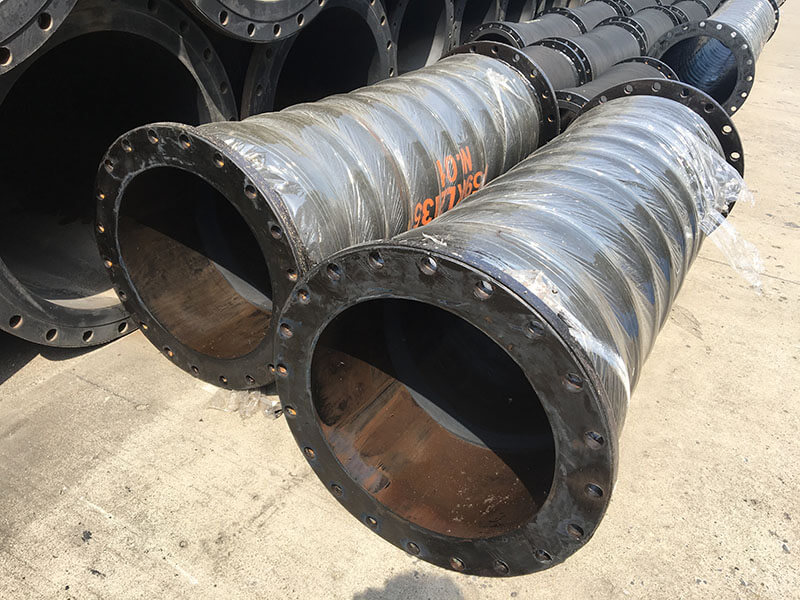
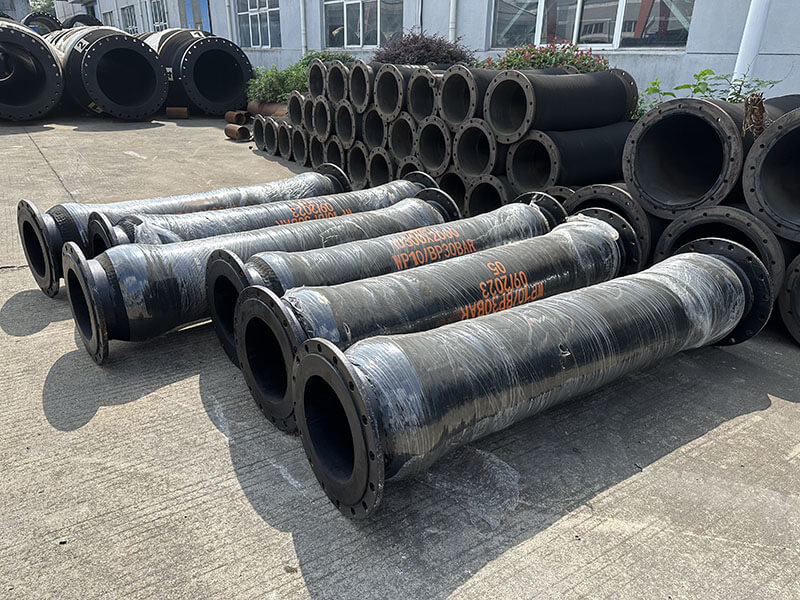
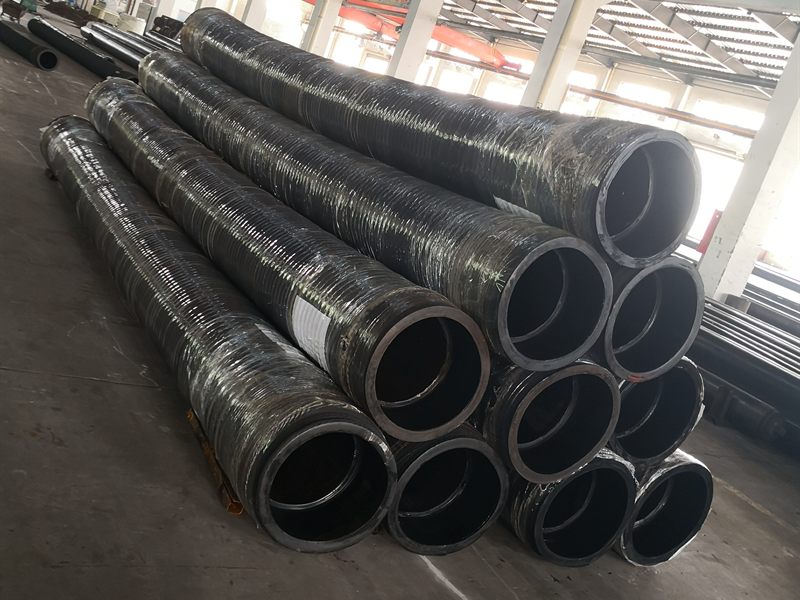
— Rubber hose details
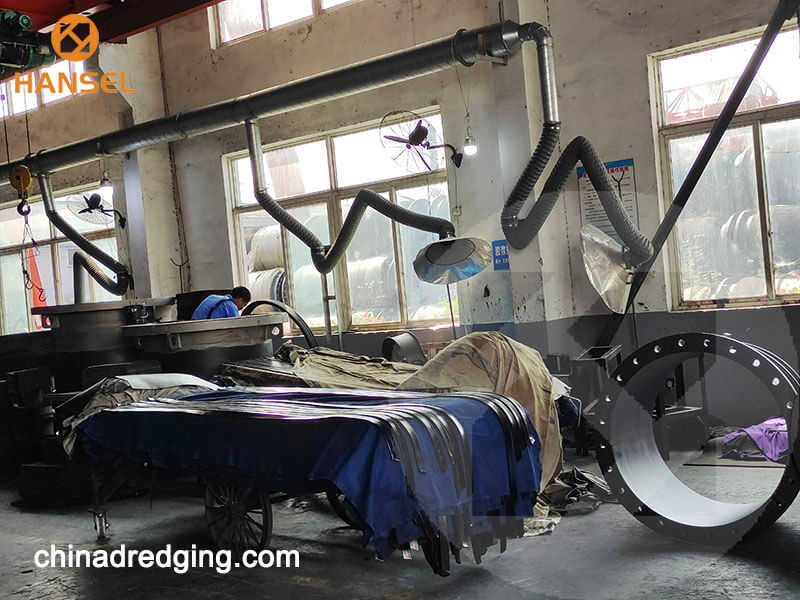
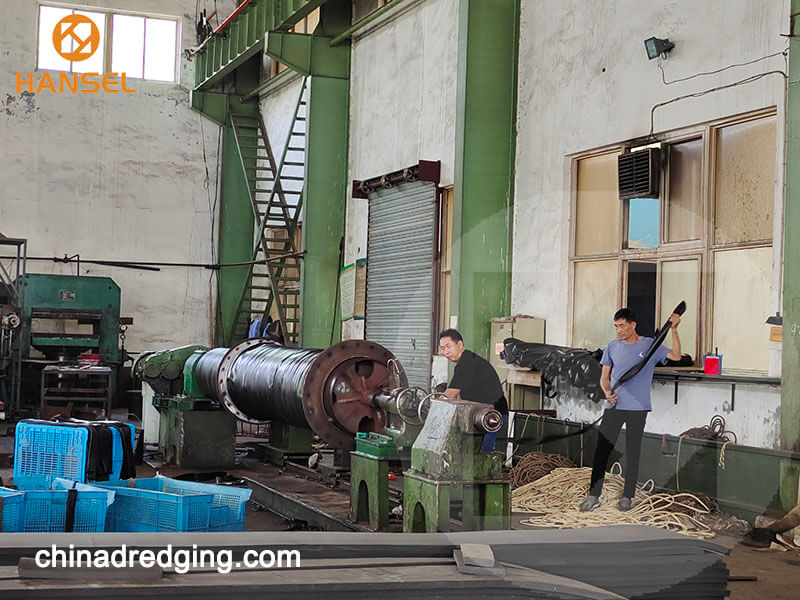
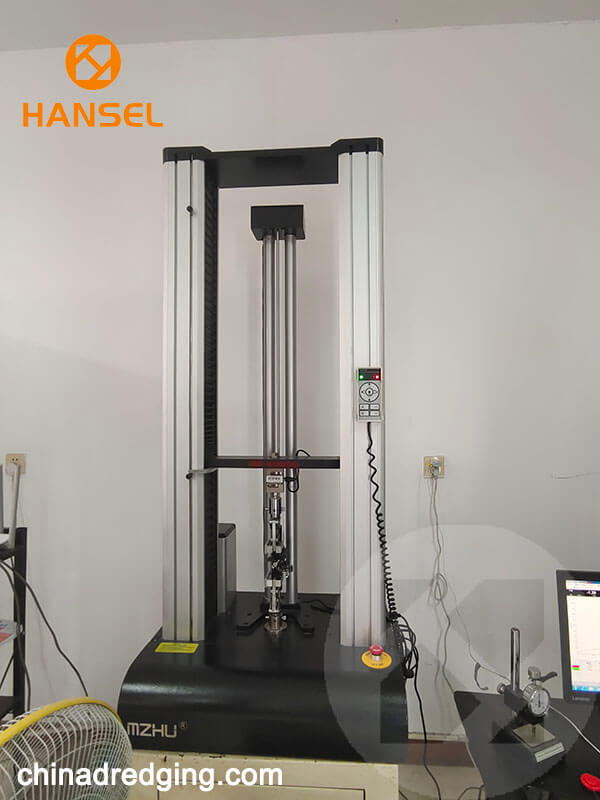
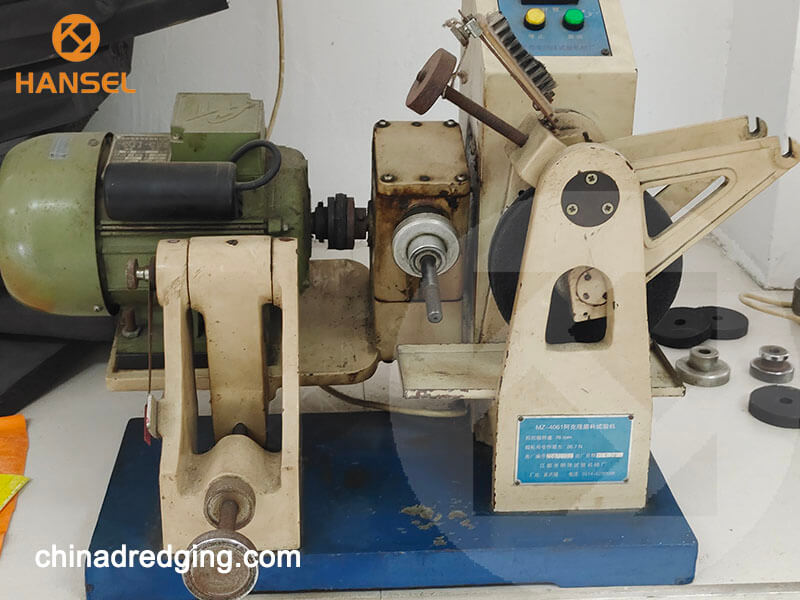
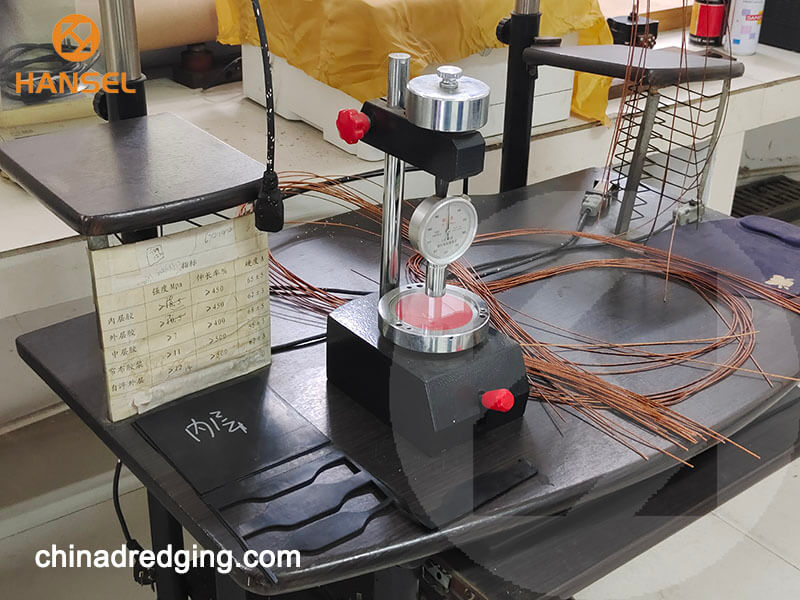
From production to transport preparation
The existing production, testing, equipment and packaging categories are retained here as a single visual module.







— Hose requirements
Define the replacement or new installation
Use the same brief for a new pipeline section or an existing hose replacement, with the installed drawing included where available.
Suction or discharge
Identify the hose position and state the pressure or vacuum requirements.
Size & length
Required bore, overall length, quantity and installation geometry.
Flange & connections
Provide flange dimensions, bolt pattern and the adjoining equipment drawing.
Material & environment
Transported material, particle details, temperature and movement requirements.
— Rubber hose FAQ
Questions about rubber hose selection
Keep the duty and interface requirements attached to the requested hose.
Can a discharge hose be used for suction duty?
Do not assume interchangeability. Provide the suction or vacuum requirement and obtain confirmation for the exact hose construction.
Can an existing hose be replaced by matching the bore alone?
No. Check the overall length, flange dimensions, connection geometry and operating requirements as well as the bore.
Why are the suction and discharge size lists different?
They are separate lists published on the existing category page. They should not be merged or treated as confirmation that every intermediate size is available.
Are the flared-hose pressure figures general ratings for all rubber hoses?
No. A value shown for one product type should not be applied to other hose constructions. Request the approved rating and test requirements for the proposed item.