In dredging projects, soil conditions are one of the most critical factors affecting equipment selection, productivity, and operational cost. Incorrect dredger selection may lead to reduced efficiency, excessive wear, or even equipment failure.
Key Principles of Dredger Selection
Dredger selection is primarily determined by:
- Soil particle size and gradation
- Soil cohesion and hardness
- Presence of sand, gravel, or boulders
- Required production capacity and discharge distance
In general:
- Fine and soft soils are suitable for continuous hydraulic dredging systems
- Hard or coarse materials are better handled by mechanical excavation systems
Dredger Selection by Soil Type
- Soft Silt
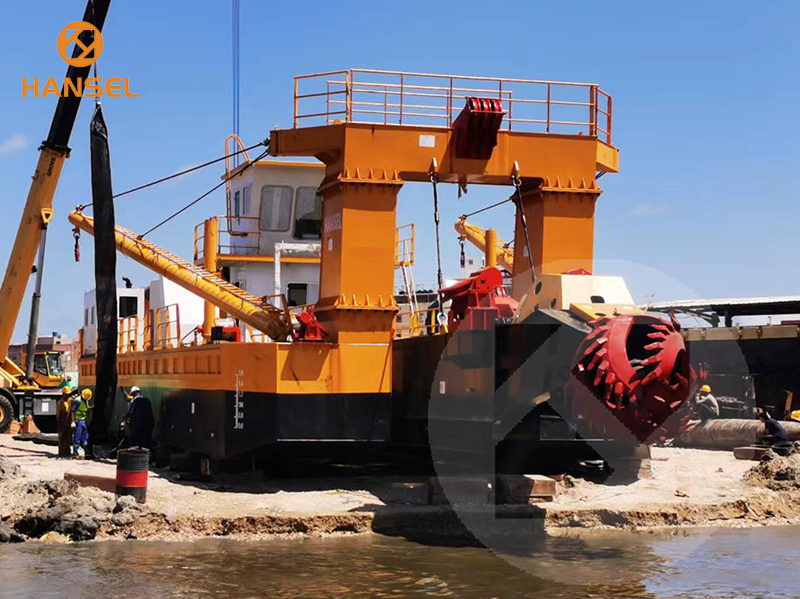
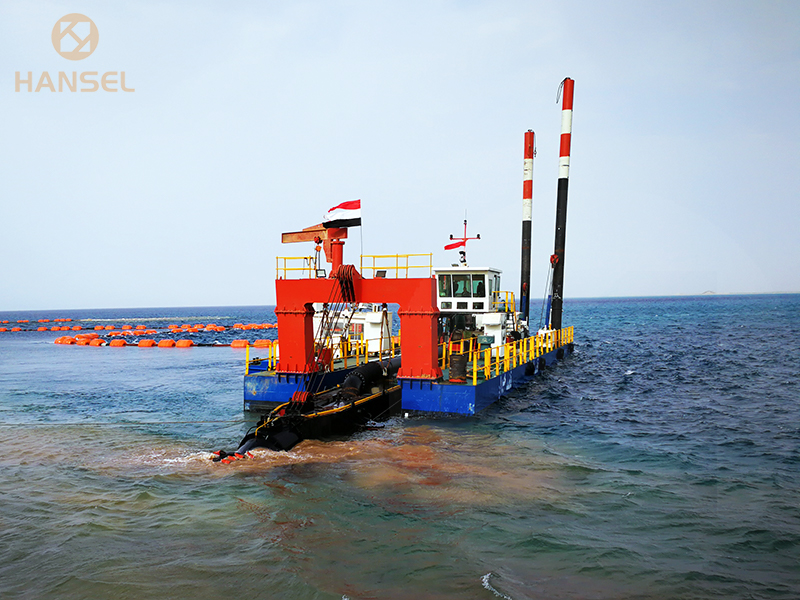
- Recommended dredger: Cutter Suction Dredger (≥500 m³/h)
- Characteristics: Fine particles, high fluidity, suitable for continuous pumping
- Not recommended: Grab dredger (high material loss and water disturbance)
Engineering Case:
In a river dredging project, a cutter suction dredger achieved approximately 3 times higher efficiency compared to grab dredging equipment.
2. Fine Sand
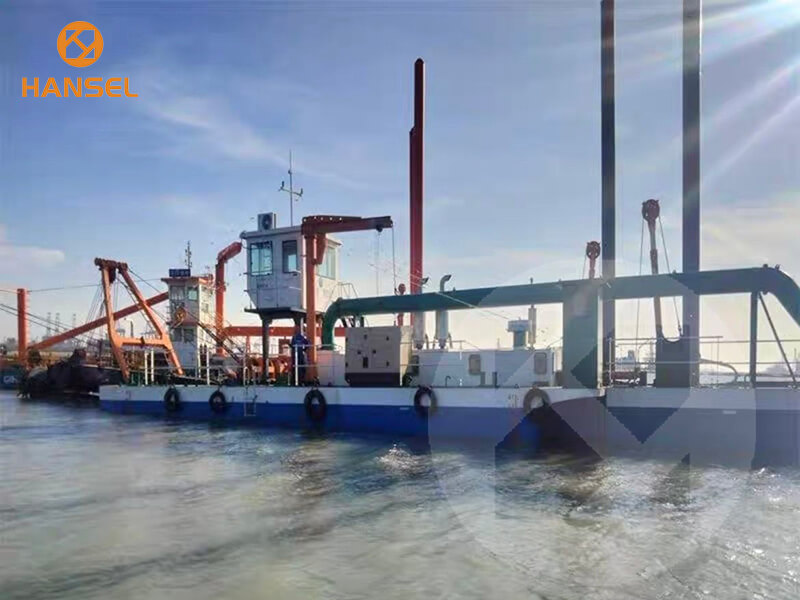
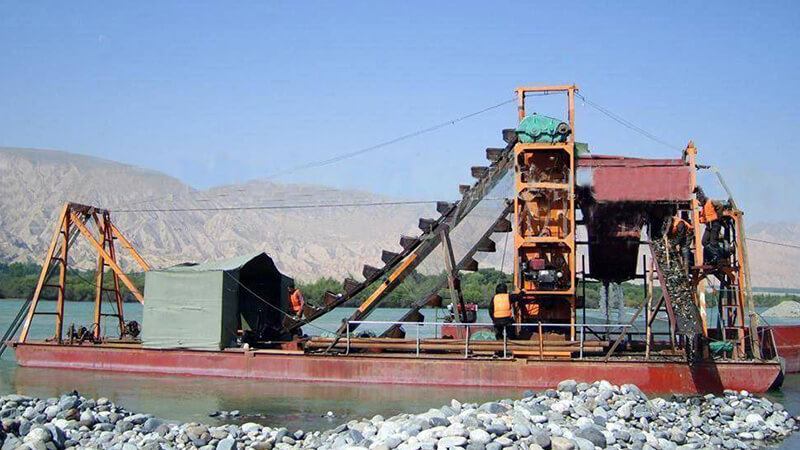
- Recommended dredger: Cutter Suction Dredger / Bucket Chain Dredger
- Characteristics: Easily mobilized but prone to dispersion if disturbed
- Not recommended: Bucket excavator-type dredgers (higher sediment loss risk)
Engineering Case:
In a navigation channel project, a bucket chain dredger achieved a sand recovery rate above 99%, ensuring minimal material loss.
3. Stiff Clay
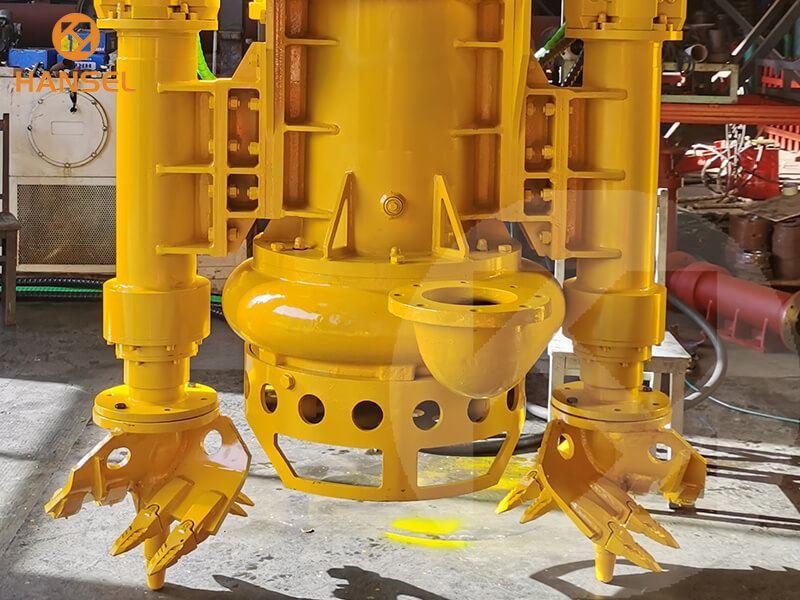
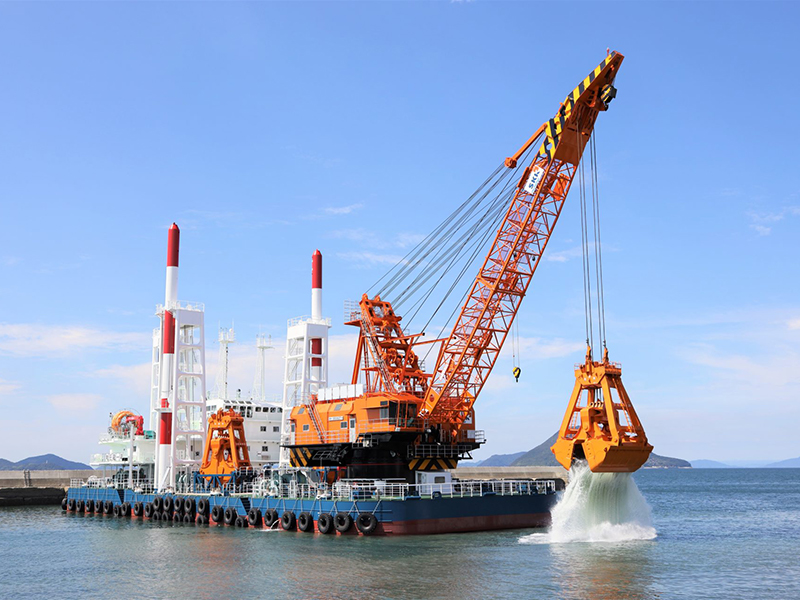
- Recommended dredger: Teeth Grab Dredger / Heavy-duty Cutter Suction Dredger
- Characteristics: High cohesion and resistance to cutting
- Not recommended: Standard cutter suction dredgers (insufficient torque)
Engineering Case:
After switching to a teeth grab dredger in a reservoir desilting project, productivity increased by approximately 50%.

4. Cobbles and Boulders
- Recommended dredger: Bucket dredger (bucket capacity ≥4 m³)
- Characteristics: Large particle size, high hardness, intermittent excavation required
- Not recommended: Cutter suction dredger (severe cutter wear and damage risk)
Engineering Case:
In a mountainous river project, a 4m³ bucket excavator successfully handled large cobble layers with stable production performance.
Dredger performance is directly determined by soil conditions. Proper matching between soil type and dredging method significantly improves efficiency while reducing maintenance cost and downtime.
For optimal selection, additional project parameters should be considered, including:
- Dredging depth
- Sediment concentration
- Transport distance
- Discharge requirements
There is no “universal dredger” for all conditions. Successful dredging projects always start with correct soil analysis and equipment matching.