

— HANSEL MARINE · Pipeline Systems
Rubber Dredge Hoses & Pipeline Systems
Review floating, suction and discharge hoses together with HDPE dredging pipes, PE floats and connection components. Final selection depends on the pipeline section, slurry, pressure or vacuum, movement and interface requirements.
— Selection basis
Review the complete pipeline before selecting one hose
Confirm the route and operating duty before selecting the hose type, diameter, flange arrangement or flotation.
Operating duty
Flow, pressure, vacuum, slurry and particle conditions.
Pipeline route
Floating, submerged and land sections with bends and movement.
Connections
Diameter, flange, coupling and connection requirements.
Installation conditions
Temperature, waves, abrasion, UV exposure and installation.
— Core hose range
Floating Hose, Rubber Hoses & HDPE Pipeline Components
Keep the selection tied to the actual section of the dredging system and its operating conditions.
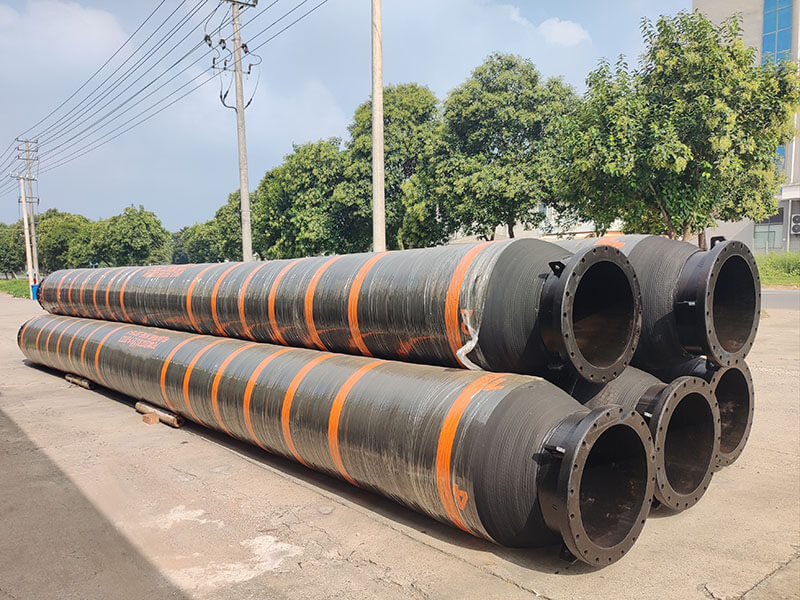
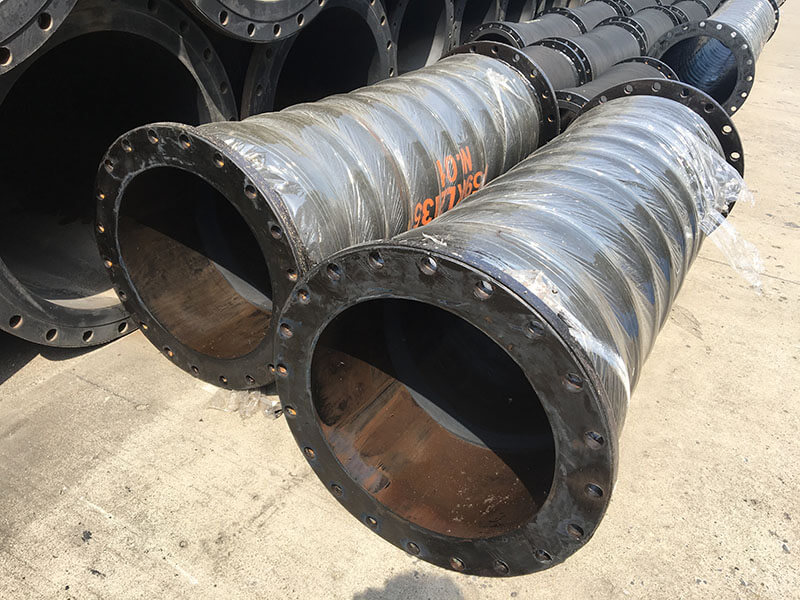
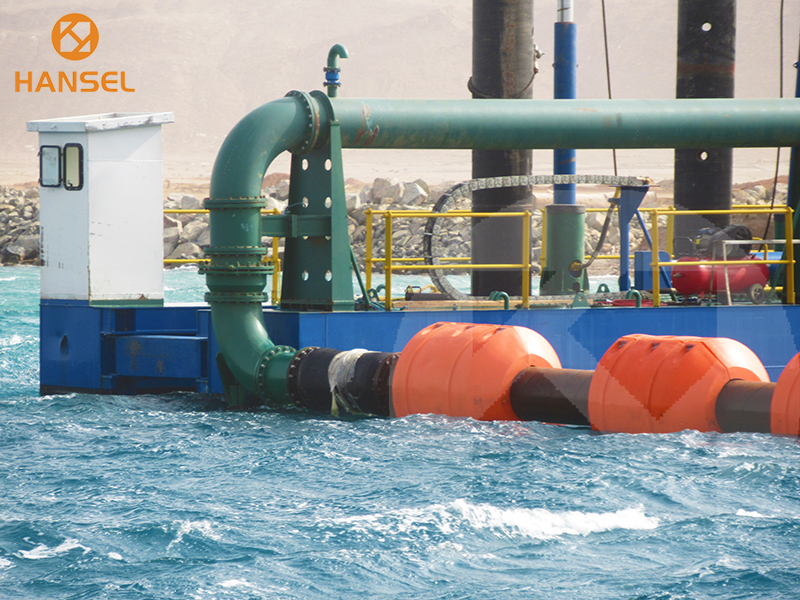
— Products Types & Components
Explore the Products Within Each Pipeline Category
Explore specific product types and supporting components within our Floating Hose, Rubber Hoses, and HDPE Pipes & PE Floaters categories, including tapered and armoured floating hoses, flared hoses, pipes, floaters and expansion joints.



— Published reference data
Hose Size & Operating References
Reference dimensions and operating ranges for selected hose types. Confirm the applicable specifications for your required configuration.
- 100–1300 mm
- General published suction-hose inner-diameter range
- 1300 mm
- Published maximum inner diameter for discharge hose
- −0.08–2.5 MPa
- Published working-pressure range for flared hose
- −20°C to +50°C
- Published general working-condition range for selected hoses
— Dredging pipeline FAQ
Questions about dredging pipes and hoses
Review the main differences between hose types, pipeline components, published size references and the information required for preliminary selection.
What is a dredge pipe?
A dredge pipe carries a mixture of water and dredged material from the dredger or booster station to the discharge area. A complete dredge pipeline may combine rubber hoses, HDPE pipes, pipe floats and connection accessories according to the route and operating conditions.
What is included in a dredging pipeline system?
The system can include floating hose, tapered or armoured self-floating hose, suction hose, discharge hose, flared hose, PE floats, HDPE dredging pipe and rubber expansion joints. The required combination depends on the dredger, pump, floating or submerged route and connection arrangement.
Should I use rubber dredge hose or HDPE pipe for a dredge line?
Use the route and movement requirements to decide. Rubber dredge hose provides flexibility at suction, discharge, floating and transition sections. HDPE pipe provides a lightweight, corrosion-resistant straight pipeline section. Many dredging pipelines use both rather than treating them as interchangeable alternatives.
What is the difference between floating, suction and discharge hose?
Floating hose provides buoyancy for the waterborne line. Suction hose connects the dredger and pump where flexibility, vacuum resistance and vibration accommodation are required. Discharge hose carries pressurized slurry and is selected with the required lining, diameter and flange arrangement.
What dredge hose sizes are published on this page?
The current page states a general suction-hose inner-diameter range of 100–1300 mm and a maximum discharge-hose inner diameter of 1300 mm. These are category references, not a confirmed size or rating for every configuration.
What materials can the pipeline transport?
The published applications include mud, clay, fine sand, fine-to-medium sand, slurry and water. Confirm particle size, solids concentration, abrasion conditions and the complete hydraulic duty before selecting the hose or pipe configuration.
What information is needed to select a dredging pipeline?
Provide the required product section, inner diameter, length, flow, pressure or vacuum, slurry and particle information, flange or coupling details, route, installation environment and operating temperature. HANSEL can then review a practical supply scope.