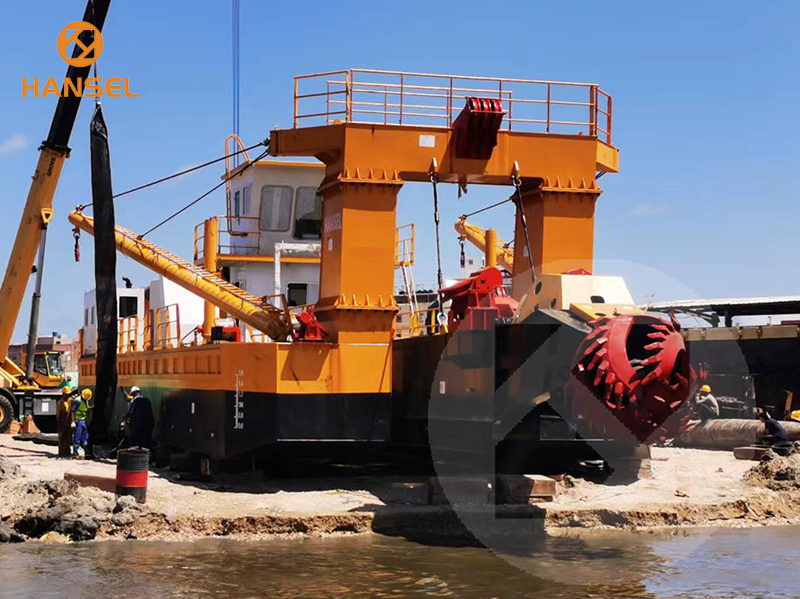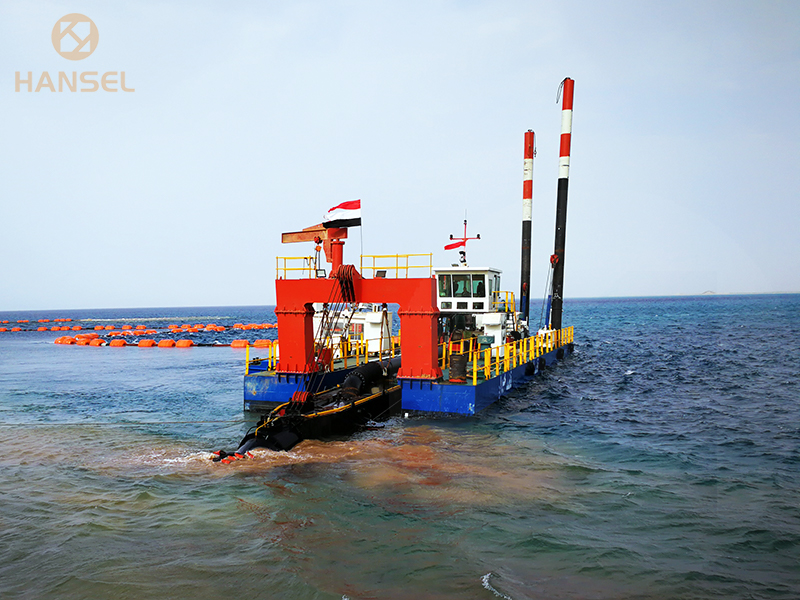
Hydraulic slurry pumps have become an essential solution in modern dredging operations, especially when mounted on excavators. They are designed to handle high concentrations of solids such as sand, sludge, and silt, making them highly effective in environments where traditional excavation methods are inefficient.
A critical factor influencing the performance of these pumps is the agitator configuration, which directly affects how materials are loosened and fed into the suction inlet. Depending on operational requirements, three main agitator designs are widely used: bottom-mounted, dual-side, and side-mounted configurations.
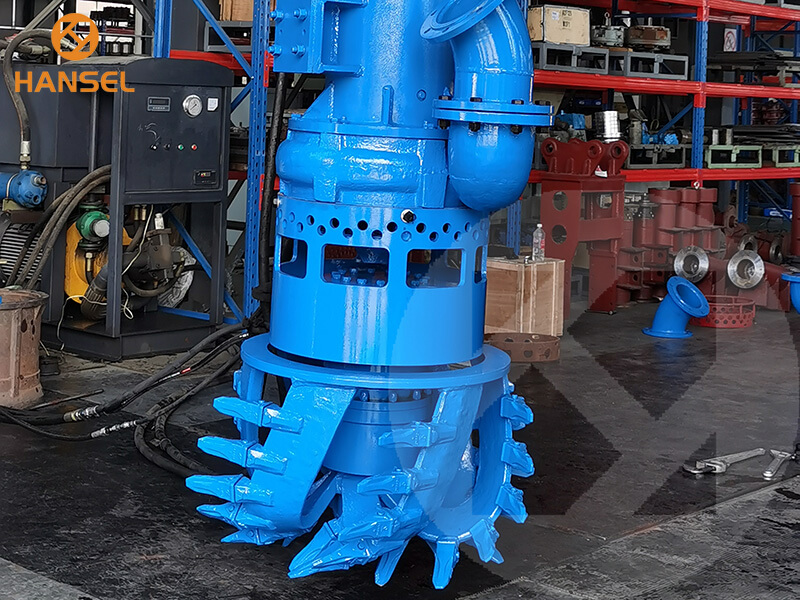
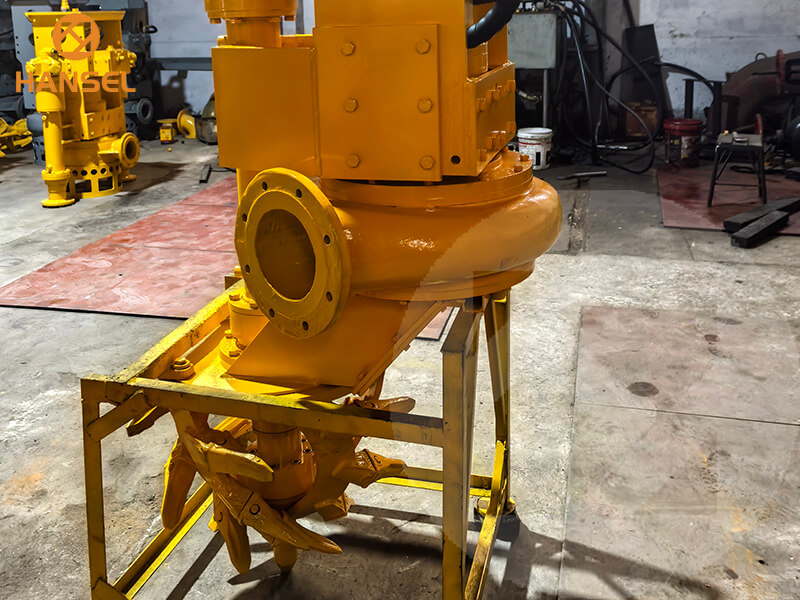
Bottom-Mounted Agitator
In this design, the agitator is positioned beneath the pump intake. Its primary function is to break up settled materials at the bottom and keep them suspended, allowing for smoother suction.
Key Characteristics:
- Focuses on disturbing sediment directly below the pump
- Promotes consistent slurry formation for efficient pumping
- Straightforward design with reliable operation
Typical Use Cases:
This configuration performs well in:
- Routine dredging in rivers and reservoirs
- Sand and silt removal from relatively even surfaces
- Projects where sediments are not widely dispersed
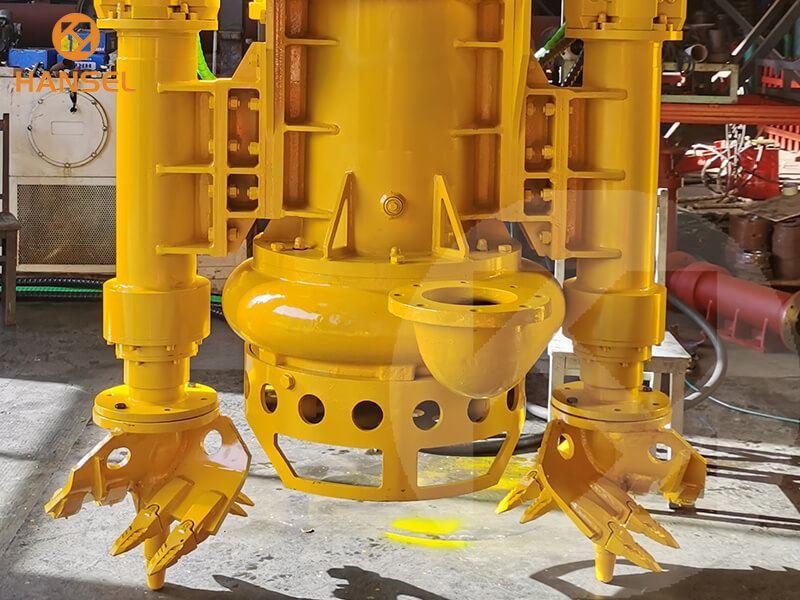
Dual-Side Agitator Configuration
This type features two agitators installed on either side of the pump body. By operating simultaneously, they expand the working range and guide surrounding materials toward the suction area.
Key Characteristics:
- Covers a broader working zone compared to single agitators
- Improves material gathering efficiency
- Supports higher output in demanding conditions
Typical Use Cases:
It is particularly suitable for:
- Large-scale dredging operations
- Sites with dispersed or uneven sediment distribution
- Projects requiring faster material removal rates
Side-Mounted Agitator
Unlike the previous designs, the side-mounted agitator is installed on one side of the pump, enabling directional control of material agitation. This makes it ideal for specialized working conditions.
Key Characteristics:
- Enables precise control in targeted areas
- Well-suited for confined or restricted environments
- Minimizes impact on nearby structures
Typical Use Cases:
This design is commonly applied in:
- Dredging alongside quay walls or retaining structures
- Pipeline trench cleaning
- Operations where accuracy and controlled flow are essential
Choosing the appropriate agitator configuration plays a significant role in achieving optimal dredging performance. Each design serves a distinct purpose:
- Bottom-mounted: best suited for general sediment removal
- Dual-side: ideal for high-efficiency, wide-area operations
- Side-mounted: designed for precision work in limited spaces
By matching the pump configuration with actual site conditions, operators can enhance productivity, reduce operational challenges, and ensure smoother project execution.