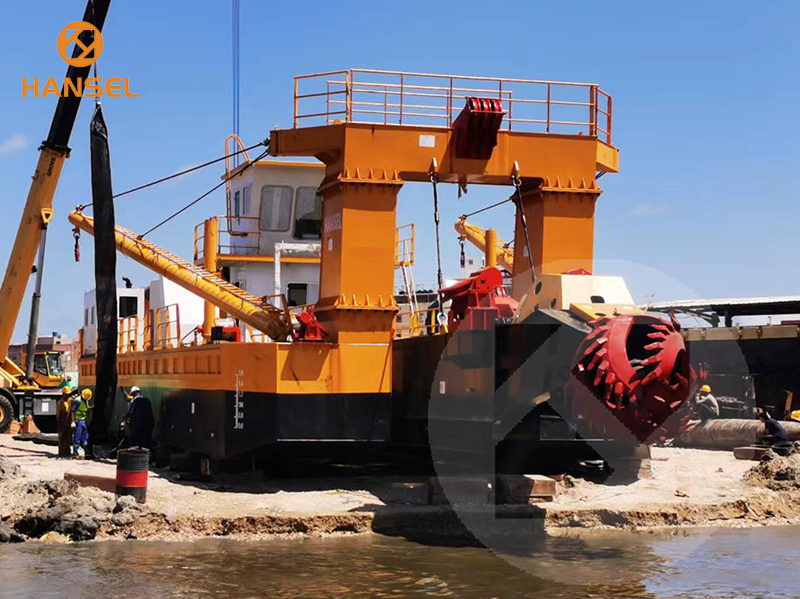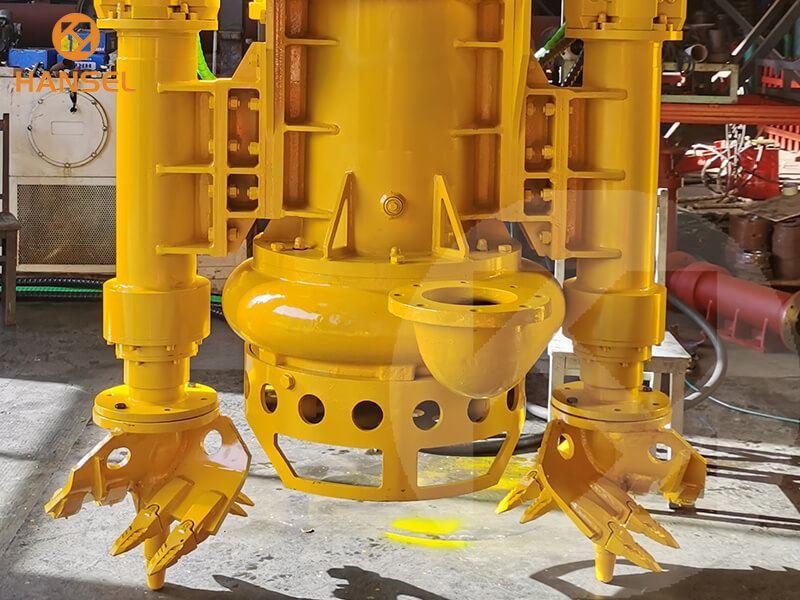
Dredgers, as large-scale desilting equipment, have extremely complex structures. While only basic maintenance and management can be performed in most cases, we must conduct regular comprehensive inspections and repairs during routine operations to ensure the dredger can carry out its work smoothly and safely.
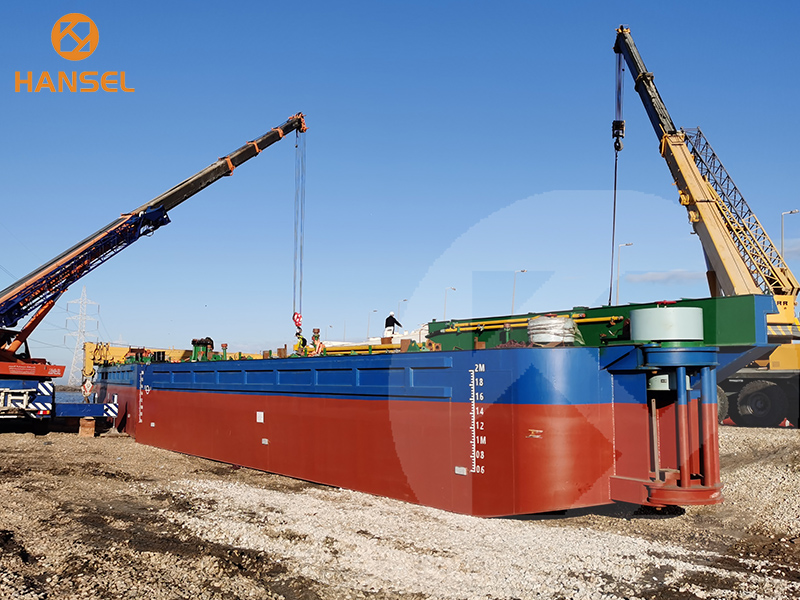
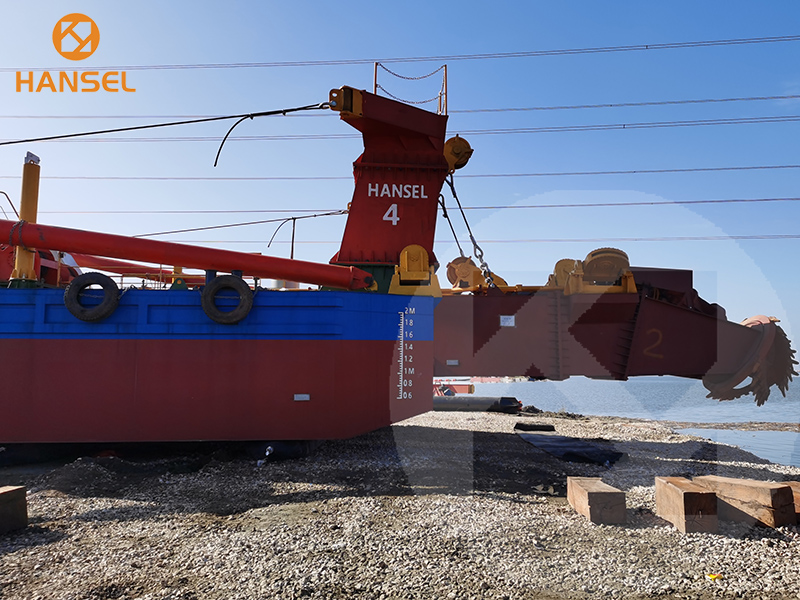
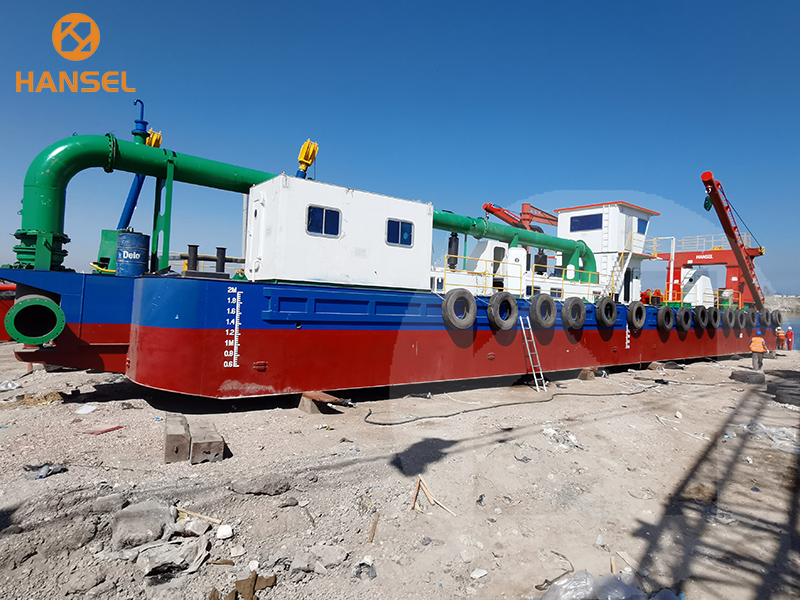
Basic details come first——Daily Maintenance
Three Checks Before Startup
- Check fluids: Ensure sufficient levels of diesel, lubricating oil, and hydraulic oil; check for oil contamination.
- Check bolts: Verify tightness of bolts on critical components including chains, drive shafts, and cutter heads.
- Check surroundings: Examine deck and hull for rust formation; conduct regular removal of accumulated silt.
Three Precautions During Operation
- Listen for abnormal noises: If bearings or gearboxes make unusual sounds, shut down and investigate!
- Monitor gauges: Are oil pressure, water temperature, and RPM normal? Reduce load promptly if overworked.
- Prevent jams: If encountering large rocks or collapses, immediately raise the dredging arm to avoid blockage.
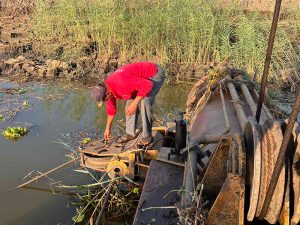
Winter Freeze Protection & Rainy Season Rust Prevention—— Seasonal Maintenance
Key Winter Maintenance Tasks
- Prevent freezing/cracking: Drain residual liquid from water pipes and oil lines; add antifreeze.
- Protect metal components: Apply rust-proof paint to exposed parts (e.g., hull, cutter head) cover with insulation blankets at night.
- Preheat before startup: Warm up the diesel engine for 10 minutes before ignition to avoid cylinder damage from cold starts.
Rainy Season & Flood Period Maintenance
- Prioritize silt removal: Before heavy rain, thoroughly clean residual deposits from dredge pumps and pipelines to prevent clogging.
- Reinforce anchor chains: Increase the number of steel anchors before storms to prevent drifting.
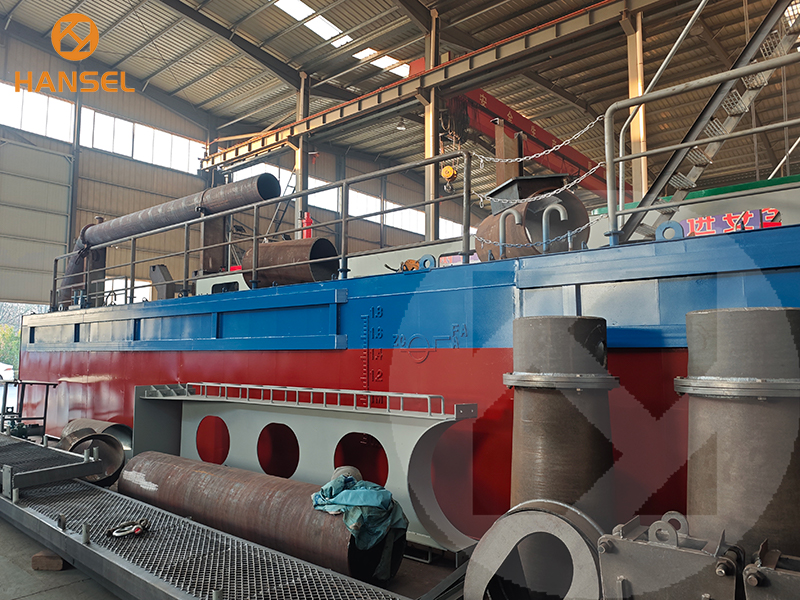
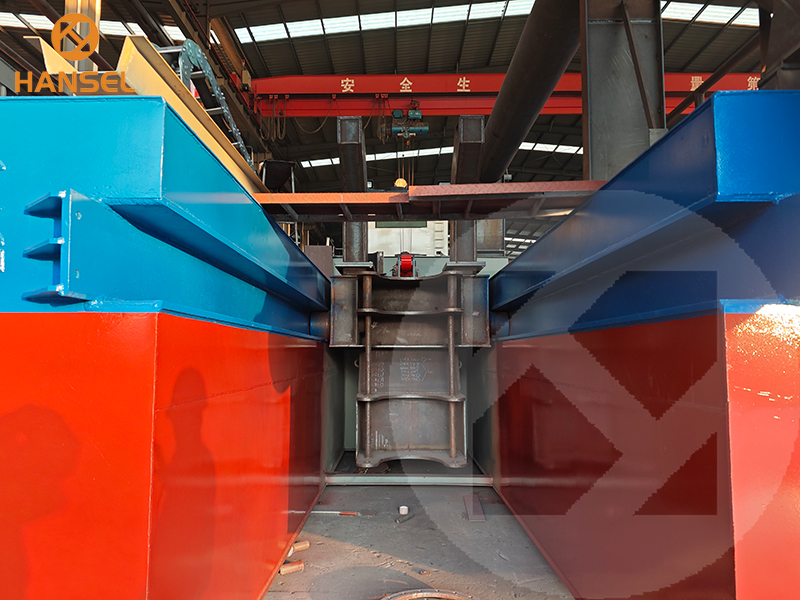
Key to Extending Service Life——Core Component Maintenance
Dredge Pump Maintenance
- Lubrication is mandatory: Replenish lithium-based grease weekly to reduce bearing friction (refer to manual).
- Waterproofing & anti-corrosion: Rinse pump body after operation; apply waterproof paint and repair any peeling coatings.
- Impeller inspection: Measure wear every 500 operating hours; replace immediately if thickness <9mm.
Clutch Maintenance
- Hydraulic clutch: Monthly check oil pressure (maintain 2.5-3MPa) replace aged sealing rings.
Safe Operations——Balancing Maintenance and Safety
High-Risk Scenario Responses
- High winds: Immediately shut down operations for wind speeds above Force 5 and secure the vessel with anchors.
- Sudden leaks: Close main valves, contain oil spills with absorbent pads, and contact professional repair services.
- Maintenance Logs:Record each maintenance session, including replaced parts and fluid specifications. Establish an electronic archive for easy tracking.